


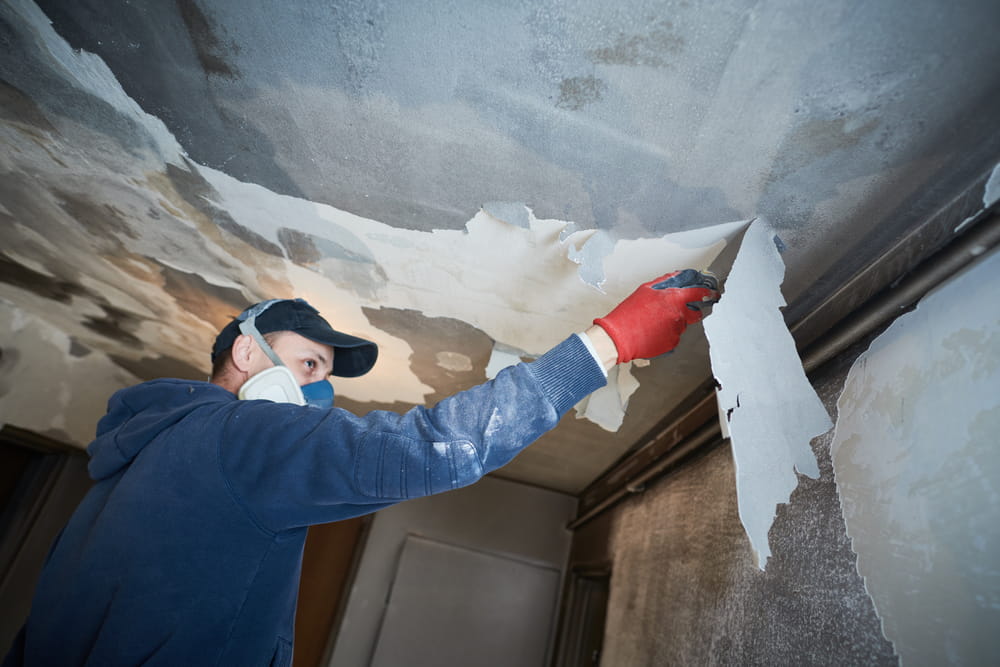
After a fire, the smell is often what makes a home feel unlivable. Even when surfaces look clean, smoke odor can cling to drywall, insulation, fabrics, and the air inside wall cavities. If you are dealing with this in Orange County, CA, it helps to know what “deodorization” really includes, and how it fits into fire damage restoration without guesswork.
Why smoke odor so stubborn
Smoke is a mix of particles and gases. Some settle as soot you can see, others embed into porous materials. Heat drives odor molecules deeper into finishes, framing, and contents. In Orange County, CA, a closed-up home can trap that smell for weeks, especially if the HVAC ran after the incident.
This is why fire damage restoration teams treat odor as contamination, not a perfume problem. If the source remains, the smell returns, often on humid days.
Deodorization starts with source removal
The first step is not a machine; it is removing or cleaning what is holding the odor. That can include:
- HEPA vacuuming and dry soot removal
- Detailed cleaning of walls, ceilings, and hard contents
- Removing porous materials that cannot be reliably cleaned, like heavily affected insulation or carpet padding
- Cleaning inside cabinets, closets, and hidden voids
In Orange County, CA, skipping source removal and jumping straight to “treatments” usually leads to a temporary improvement, then the odor comes back. Proper fire damage restoration reduces the source first, then treats what remains.
Air filtration, the quiet workhorse
Professional deodorization often uses air filtration with HEPA and activated carbon. HEPA captures fine particles, and carbon helps absorb odor molecules. It is not instant, but it steadily lowers airborne contamination during cleaning.
For Orange County, CA properties, air scrubbers are useful when multiple rooms are exposed, because they help limit cross-contamination while contents are handled. In a complete fire damage restoration plan, filtration supports every other step.
Thermal fogging, when it helps
Thermal fogging turns a deodorizing solution into a warm fog that travels where smoke traveled. It can help with certain odors because it penetrates into fabrics, cracks, and cavities.
Timing matters. In Orange County, CA, fogging is usually done after initial cleaning and removal. If residues remain, fogging can lock soot into surfaces or leave a sticky film. A good fire damage restoration provider treats fogging as a finishing method, not a first response.
Ozone and hydroxyl, similar goal, different approach
Ozone generators and hydroxyl machines are often mentioned together, but they behave differently.
Ozone is a reactive gas that can break down odor molecules. It can work well in unoccupied spaces, but it requires strict safety controls, because it should not be breathed by people or pets. In Orange County, CA, reputable fire damage restoration crews will explain evacuation requirements, run times, and ventilation steps before re-entry.
Hydroxyl machines are typically safer for occupied environments. They use UV light to create hydroxyl radicals that react with odor compounds. Results can take longer, but many households prefer this option when they need limited access during fire damage restoration.
Sealing, sometimes the right move
If odor remains in structural materials, sealing may be recommended. This usually means applying a specialty primer to encapsulate remaining residues in framing or surfaces, often after controlled demolition and cleaning.
In Orange County, CA, sealing can be a smart choice when smoke exposure was heavy, but it should not be used to hide active soot. In quality fire damage restoration, sealing is a deliberate step used when testing shows it is needed.
What you should expect, and what you should question
A solid deodorization plan should include:
- Which materials are contaminated, and why
- The specific method being used, and what it can realistically achieve
- Safety instructions, including when the home can be occupied
- A timeline, plus what follow-up looks like
Be cautious if someone promises “one quick treatment.” In Orange County, CA, smoke odors can shift as the home dries and warms, so reputable fire damage restoration teams plan for checks and adjustments.
Simple things you can do without making it worse
While you wait for help, you can reduce odor risks by:
- Keeping HVAC off until inspected and cleaned
- Avoiding wiping soot with water
- Bagging soft items that smell strongly, so they do not spread odor
- Noting which rooms smell strongest at different times of day
These notes help a fire damage restoration crew in Orange County, CA, target the right areas faster.
Local support when you want a clear plan
If you need a team that can explain the options and help you choose the safest path, PureOne Services can assist with fire damage restoration in Orange County, CA, including odor control that is grounded in real cleanup, not cover-ups.
Next in the silo
Continue with: Water Damage After Firefighting, Drying and Dehumidification Basics.