


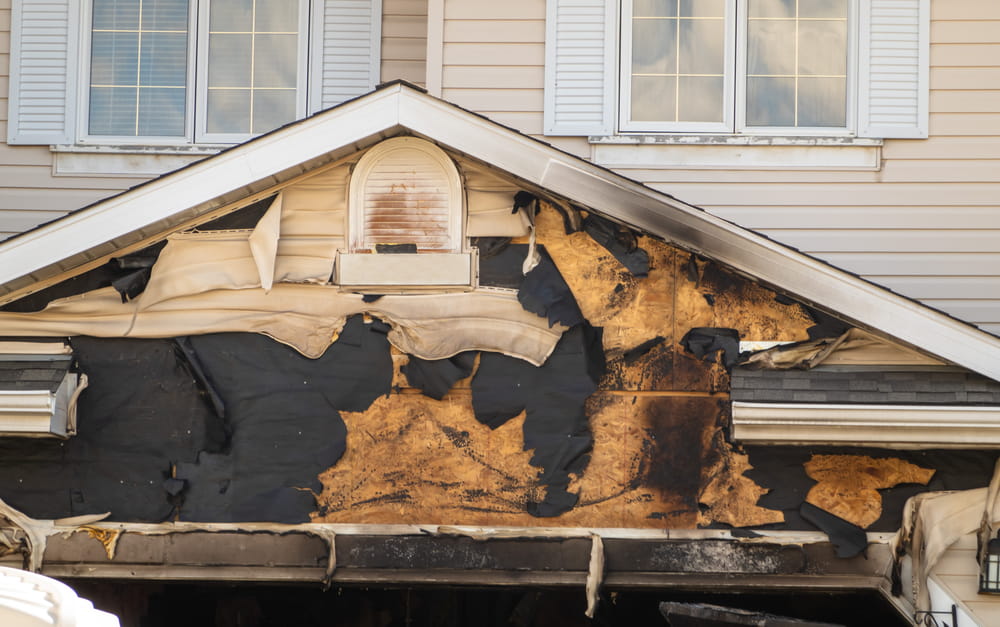
When the flames are out, the overwhelm usually kicks in. In Orange County, CA, many homeowners walk back into a space that smells like smoke, looks dusted in soot, and feels damp from firefighting water. The first 24 hours are about stabilizing the property and avoiding small decisions that create bigger problems later. Here is what a normal day looks like, plus a few practical do’s and don’ts.
Hours 0 to 2, safety first, then a quick plan
Before anything else, make sure re-entry is allowed. In Orange County, CA, firefighters may permit a short visit to retrieve essentials, but structural and air hazards can remain. Watch for sagging ceilings, loose debris, and sharp materials. If you can enter, wear sturdy shoes, gloves, and a proper mask.
Keep utilities off unless a qualified professional confirms they are safe. Turning systems on too early can spread contamination, and it can complicate fire damage restoration if particles get pulled into ducts and circulated.
Hours 2 to 6, stop secondary damage early
Fire is only part of the loss. Water can soak drywall, insulation, flooring, and cabinets, and in Orange County, CA, trapped moisture can create a second round of issues fast. Soot can also be corrosive, leaving stains and pitting on metal, tile, and fixtures if it sits.
This is why early fire damage restoration focuses on mitigation, meaning you prevent additional damage while the full scope is being evaluated. If it is safe, you can do light ventilation by cracking windows for short periods, but avoid strong drafts that push soot deeper into fabrics.
Hours 6 to 10, document everything before it moves
Photos and notes protect you. Take wide shots of every room, then close-ups of damaged areas, appliances, and valuables. In Orange County, CA, insurance timelines can move quickly, and good documentation keeps the claim cleaner.
Write down what happened, the date, who responded, and any instructions you were given. Then contact your insurer to open the claim. Many people also call a local fire damage restoration provider at this stage, because the early work often includes boarding up, tarps, and controlled drying.
Hours 10 to 14, secure the home
If windows are broken, doors are damaged, or the roof is compromised, the property is exposed. In Orange County, CA, weather and unauthorized entry can add avoidable loss. A restoration team may install temporary boards, secure entry points, and place roof tarps.
Securing the structure is a standard part of fire damage restoration because it limits new damage and supports clear reporting of what was affected by the fire event itself.
Hours 14 to 18, water extraction and drying setup
Even if the fire looks “small,” water can travel under floors and behind baseboards. Pros typically start with extraction, then place dehumidifiers and air movers based on moisture readings, not guesses. In Orange County, CA, careful drying is important when moisture is trapped in wall cavities or beneath materials that appear dry on the surface.
If you are considering DIY fans, be cautious. Uncontrolled airflow can spread soot, and it may dry the outside while leaving moisture hidden inside. A measured fire damage restoration approach uses meters and monitoring to prevent surprises.
Hours 18 to 22, residue assessment and first cleaning decisions
Not all smoke residue behaves the same. A walkthrough helps identify where soot traveled, what surfaces are affected, and what materials can realistically be saved. In Orange County, CA, kitchen fires can leave oily residues, while electrical fires may leave harsher, more corrosive particles.
This assessment sets the direction for fire damage restoration, such as HEPA filtration, specialized dry cleaning sponges, controlled demolition of porous materials, and protection of surfaces that are salvageable.
Hours 22 to 24, protect contents, pack out, or stabilize
During day one, you may hear “pack out,” which means items are inventoried and removed for off-site cleaning and storage. In Orange County, CA, this is common when smoke migrates beyond the main room and settles into closets, bedding, or upholstery. When the loss is smaller, contents may be stabilized and cleaned on site instead.
Either way, fire damage restoration usually includes a detailed contents list so you can track what was cleaned, discarded, or replaced.
What not to do on day one
These moves feel helpful, but they often create setbacks:
- Do not run HVAC or ceiling fans.
- Do not wipe soot with water; it can smear and set stains.
- Do not plug in electronics or touch wet outlets.
- Do not throw items away before photographing them.
- Do not consume food exposed to heat or smoke.
Local help that keeps things simple
If you want a team that can explain the process clearly and keep documentation organized, PureOne Services can help with fire damage restoration in Orange County, CA, with a focus on respectful cleanup and straightforward communication.
Next in the silo
Continue with: What “Deodorization” Really Means in Restoration, Methods and Expectations.