


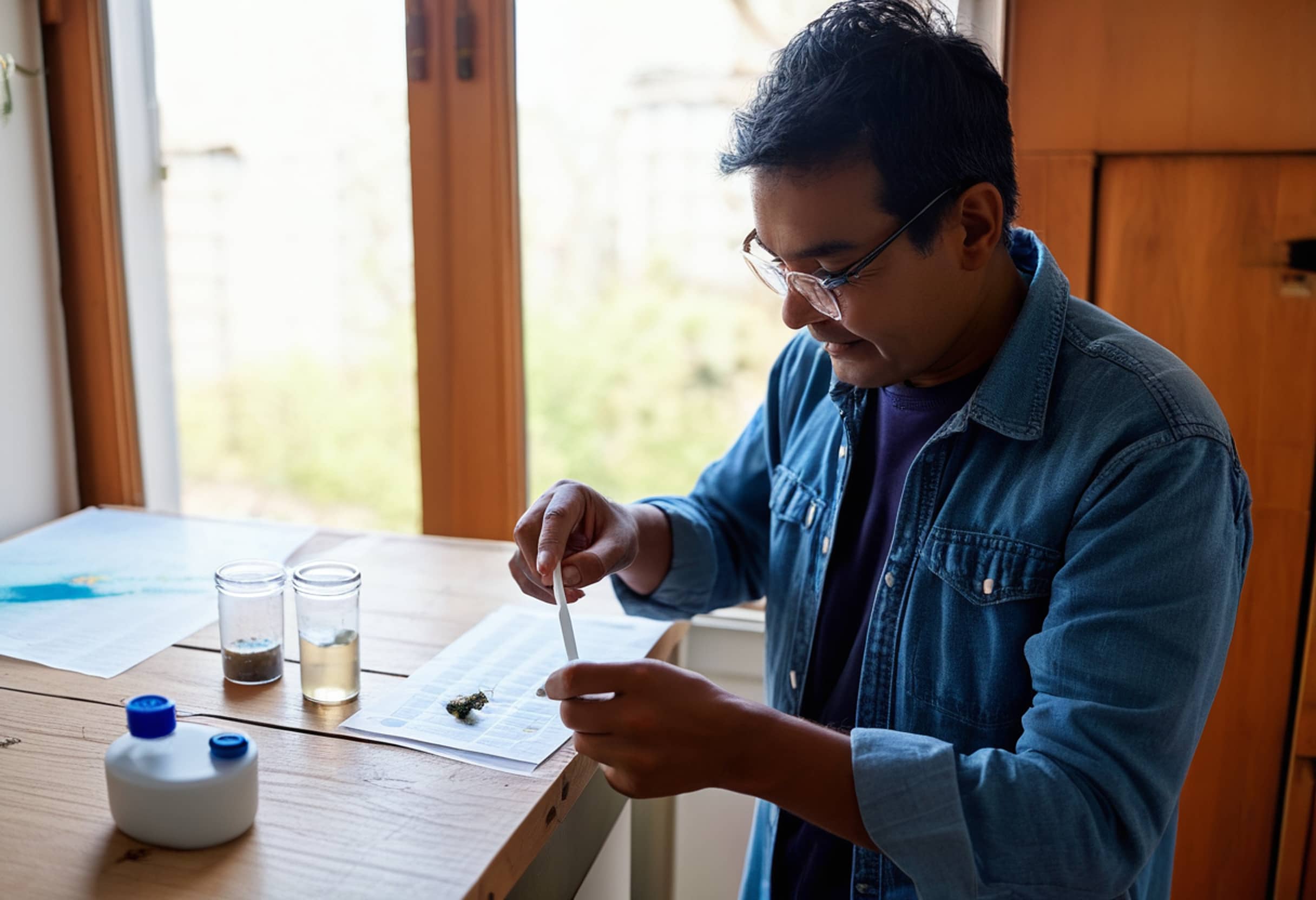
When a room smells musty or a ceiling stain appears after a storm, most homeowners face a quick decision: pick up a DIY kit or call a certified inspector. Understanding the trade-offs helps you choose the route that saves time, money, and stress—without compromising your family’s health.
What DIY kits promise—and what they actually measure
Store-bought kits make testing look simple, but their value depends on how and where you collect samples. Many kits detect spores on a petri dish, yet don’t quantify airborne exposure or identify moisture sources that drive growth. If you’re weighing Mold Testing and Minneapolis, MN, remember that spores exist naturally, and context matters more than a lone colony on a plate.
Why professional methods give clearer answers
Certified inspectors use calibrated pumps for air sampling, track the chain of custody to accredited labs, and interpret results against outdoor controls. That means you get spore counts, species ID, and a comparison that shows whether indoor levels are elevated. For Mold Testing and Minneapolis, MN, that interpretation is often the difference between a simple cleanup and an unnecessary renovation.
Accuracy: controls, contamination, and meaningful thresholds
Accuracy hinges on controls and technique. DIY kits are prone to contamination from normal dusting or an open window, leading to false alarms. Professionals collect indoor and outdoor air samples during the same visit, giving a baseline. With Mold Testing and Minneapolis, MN, controlled sampling reduces guesswork and turns raw data into actionable guidance.
Scope: air quality, hidden moisture, and building science
Mold is a symptom of moisture. A DIY kit rarely tells you where that moisture originates. A pro assessment layers tools—thermal imaging, moisture meters, and selective cavity checks—to find leaks, condensation points, or insulation gaps. When you schedule Mold Testing and Minneapolis, MN, you’re not just testing spores; you’re diagnosing the building.
Turnaround time and documentation you can use
Most DIY kits require mailing plates and waiting weeks for a generic result. Professional services typically deliver a written report in a few business days with photos, lab data, and next steps. For insurance, real estate, or clearance after remediation, Mold Testing and Minneapolis, MN, with a full report, is documentation that stakeholders accept.
Risk: the hidden costs of a wrong call
Two outcomes can be costly: overreacting to harmless findings or missing a real indoor air problem. Overreaction leads to needless tear-outs and expense, while a miss prolongs exposure and spreads growth. Choosing thorough Mold Testing and Minneapolis, MN, reduces both risks by pairing precise sampling with root-cause analysis.
Minneapolis climate realities: condensation, ice dams, and basements
Freeze-thaw cycles, humid summers, and spring snowmelt complicate moisture control. Window condensation and attic ice dams are common triggers, and basements can cycle from dry to damp within days. Seasonal context matters in Mold Testing and Minneapolis, MN, because what you test and when you test shapes the results.
When a DIY kit can still help
If you’re screening a single item—say, a suspicious box from a damp storage room—a basic surface test might inform whether to discard it. Use this sparingly and avoid concluding whole-home air quality. For broader questions, Mold Testing and Minneapolis, MN, with air and surface sampling, is the safer decision.
What a professional visit looks like, step by step
A typical appointment starts with a history of leaks, odors, and recent renovations. Next comes a visual inspection and moisture mapping to locate active dampness. The inspector collects indoor and outdoor air samples and swabs specific stains if needed. The final report explains species, concentrations, likely sources, and whether remediation or simple moisture control is appropriate. That clarity is the core value of Mold Testing and Minneapolis, MN.
Costs versus consequences
DIY kits seem inexpensive upfront, but they can drive costly missteps—either false alarms or delayed action. A professional evaluation consolidates inspection, sampling, and lab analysis into one visit, reducing repeat calls and uncertainty. If you’re budgeting for Mold Testing and Minneapolis, MN, consider the price of wrong decisions alongside the service fee.
How to choose a qualified tester
Look for certifications, transparent sampling plans, use of outdoor controls, and clear reporting practices. Ask about turnaround times, lab accreditation, and whether you’ll receive prevention recommendations. A strong provider for Mold Testing and Minneapolis, MN, will explain findings in plain language and prioritize moisture source control.
Quick decision guide
- Odors or stains in multiple rooms? Choose a professional inspection.
- Recent leak or ice dam with visible sheathing stains? Choose professional sampling plus moisture diagnostics.
- One damp cardboard box or a single item from storage? A limited DIY surface check can be a stopgap, but confirm if issues persist.
Buying or selling a home? Use a certified tester for defensible documentation.
Start with the complete homeowner’s guide
New to the topic? Read Mold Testing in Minneapolis, MN, for when to test, methods, and clear next steps before you compare options.
Get confident answers—fast
Know What You’re Breathing
If you’re done guessing, schedule professional Mold Testing Minneapolis, MN with PureOne Services. You’ll get clear lab data, source detection, and a prevention plan tailored to our climate—so you can fix the problem and move on with confidence.