


Living near the water is the dream—until your basement smells musty, attic sheathing darkens, or the HVAC starts spreading a faint earthy odor. Coastal air in Niantic and East Lyme behaves differently: fog rolls in, sea breezes push moisture indoors, and salty aerosols linger on surfaces. If you want results that stick, you need a plan designed for shoreline conditions and aligned with Mold Remediation Connecticut’s best practices—one that targets moisture pathways first, then addresses materials and air quality.
Why Coastal Microclimates Demand a Different Strategy
Shoreline homes experience higher ambient humidity, frequent mist, and quick temperature swings. Those factors encourage condensation on cool concrete, metal ducts, and roof decks. Wind-driven rain can also bypass “normal” defenses. That’s why Mold Remediation Connecticut near the coast starts with water management: downspout extensions, improved grading, drip edges that actually shed, and sealed wall penetrations around cable, power, and hose bibs. When the envelope stops leaking, remediation holds.
Materials and Finishes That Don’t Fight You Later
In damp zones, materials do the heavy lifting. Favor vapor-open paints on basement masonry, composite or PVC trim in splash zones, and closed-cell foam at rim joists where condensation loves to form. For rebuilds, select paperless drywall in utility areas and insulated, thermally broken doors to the garage. These choices support Mold Remediation Connecticut outcomes by limiting future moisture absorption and simplifying routine cleaning.
Ventilation, ERVs, and Dehumidifiers—Dialed for the Shore
Air exchange matters as much as water control. Bath and kitchen fans must vent outside (not into soffits or attics), ducts should be sealed, and attic baffles must keep soffits clear. Consider an ERV to manage humidity while refreshing air without energy waste. For basements, choose a dehumidifier that drains automatically to a condensate pump or floor drain. Right-sized equipment keeps relative humidity near 45–50%—a range that complements Mold Remediation Connecticut in holding the line after cleanup.
Attic & Roof Deck: Preventing the “Night Fog” Effect
When marine layers cool your roof, warm indoor air rising through can lights and hatches condenses on sheathing. Air sealing is the quiet MVP: gasket the attic hatch, cap recessed lights with IC-rated covers, and foam plumbing and wire penetrations. Balanced intake (soffits) and exhaust (ridge) prevents stagnation. These steps precede any surface cleaning in a Mold Remediation Connecticut scope, because airflow and air sealing determine whether results last a single season or many.
Basements & Crawl Spaces: Stop Ground and Wall Moisture
Start at the perimeter: slope soil away from the foundation, extend downspouts, and clear window well drains. Inside, seal obvious cracks, insulate cold pipes, and consider a smart sump with a high-water alarm. In crawl spaces, proper vapor barriers and conditioned air (or encapsulation) reduce moisture migration. This foundation work is central to Mold Remediation Connecticut along the shoreline, where high water tables and foggy nights keep surfaces damp.
What Professional Remediation Looks Like—Shore Edition
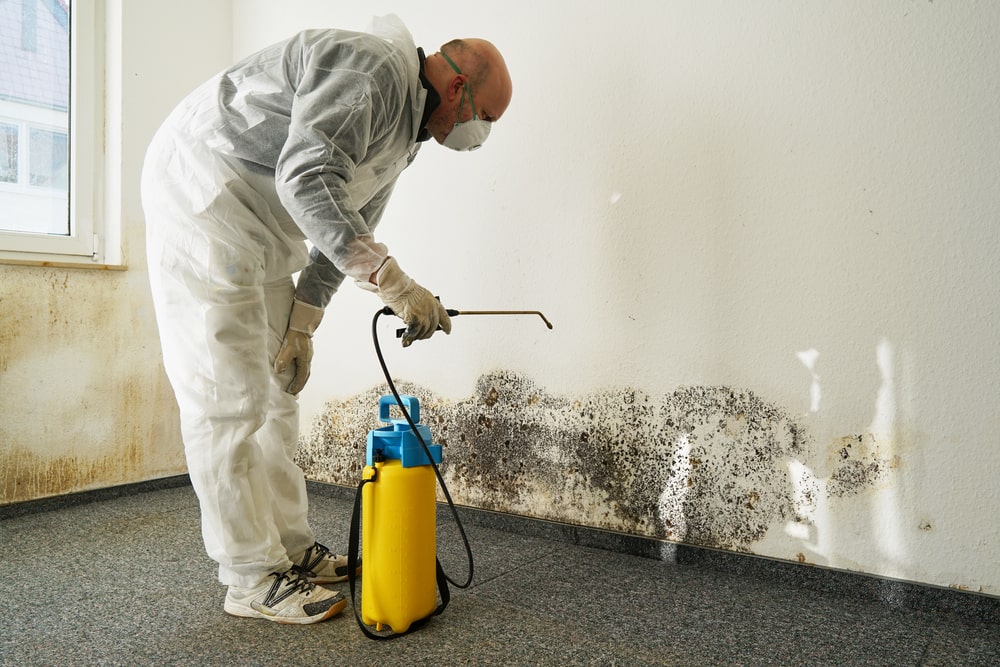
Expect containment to protect living spaces, negative air with HEPA filtration, and careful removal of unsalvageable porous materials. Non-porous or semi-porous surfaces are mechanically cleaned and treated. Pros document moisture readings and corrective repairs, not just the “cleaning” step. In coastal towns, Mold Remediation Connecticut often pairs remediation with minor building science upgrades—air sealing, baffles, or vent reroutes—so the clearance you achieve doesn’t fade when the next sea breeze arrives.
Vacation Homes & Airbnbs: Off-Season Moves That Matter
Empty houses breathe less and accumulate more moisture. Put dehumidifiers on smart plugs, set hydrometer alerts, and schedule monthly property checks. Clean coils on mini-splits, run fans after showers, and leave interior doors open to balance airflow. These habits support Mold Remediation Connecticut by keeping baseline humidity low, so minor condensation doesn’t turn into visible growth while the home sits.
Costs & Timelines—Realistic for the Coast
Pricing depends on area affected, access (tight attics, low crawl spaces), and how many building fixes are bundled (fan reroutes, air sealing, downspouts). Light surface work can wrap quickly; larger scopes with selective removal and drying take longer. Ask for a line-item plan: containment, HEPA hours, removal quantities, rebuild allowances, and any moisture corrections. Clear proposals are a hallmark of responsible Mold Remediation Connecticut providers and make comparisons fair.
Common Mistakes That Make Problems Come Back
- Spraying chemicals on porous drywall instead of removing and replacing it
- Venting bath fans to the attic or soffit “temporarily”
- Ignoring negative grades and short downspouts
- Skipping air sealing and baffles before attic cleaning
Avoid these, and your Mold Remediation Connecticut investment pays off with fewer callbacks and a healthier home.
Quick Homeowner Checklist (Save or screenshot)
- RH target: 45–50% year-round
- Verify every exhaust fan terminates outside
- Add 6–10 ft downspout extensions
- Air seal attic penetrations; install baffles at every bay
- Use vapor-open paint on basement masonry; paperless drywall in utilities
This checklist supports the results you expect from Mold Remediation Connecticut without heavy maintenance.
Your Next Step
If you’re seeing musty odors, attic discoloration, or persistent basement dampness, get a coastal-aware plan—one that pairs moisture fixes with safe cleanup.
Internal link: Planning to travel this winter? Read our Off-Season Mold Prevention guide for Niantic & East Lyme to keep humidity in check while you’re away.
Service page: Ready for expert help that lasts through foggy mornings and stormy weekends? Request Mold Remediation Connecticut with PureOne Services for a clear scope, timeline, and coast-smart strategy.