


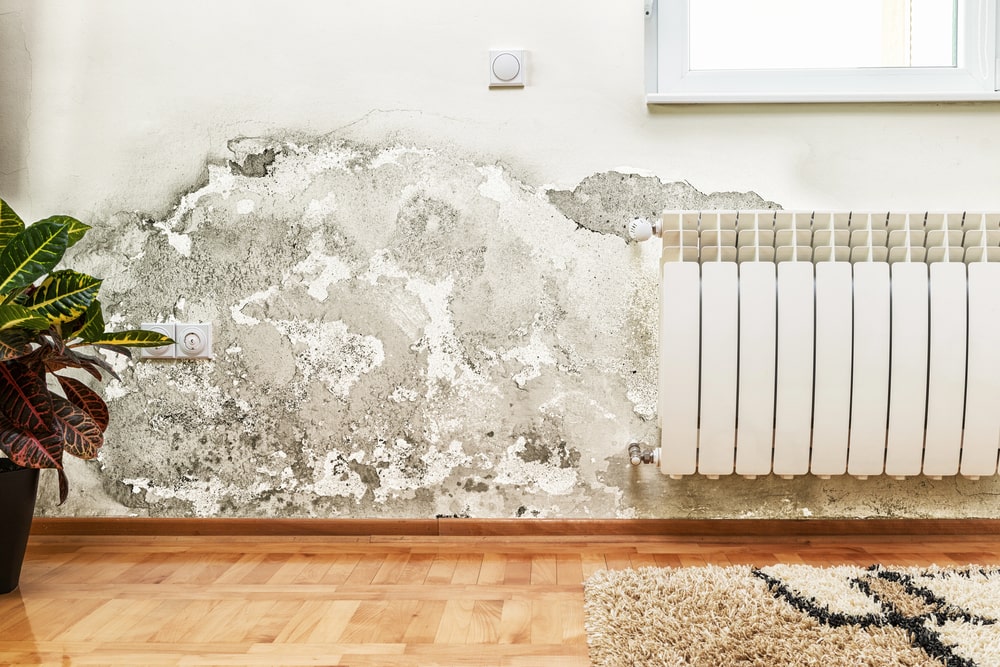
A quiet shoreline house is peaceful in winter—until spring arrives with musty closets, spotted drywall, and sticky air. Empty homes breathe less, and Niantic and East Lyme add coastal humidity, fog, and wind-driven rain to the mix. The goal isn’t constant babysitting; it’s a set of simple systems that keep moisture predictable and make Mold Remediation Connecticut a proactive plan instead of an emergency call.
Set Your Humidity Target—and Automate It
Aim for a steady 45–50% relative humidity. Choose a dehumidifier rated for your square footage and connect it to a continuous drain (condensate pump or gravity to a floor drain). Add a smart plug with restart memory so it comes back on after power blips. Remote hygrometers in the basement, main level, and primary bedroom let you view trends and catch drift early—one of the easiest wins in Mold Remediation Connecticut for vacant properties.
Vent the Right Air, Not All the Air
Bath and kitchen fans must exhaust outdoors with sealed, insulated ducts. If a fan terminates in the attic, moisture will condense on the roof deck during cold snaps. Consider an ERV to refresh air gradually without huge energy swings. Balanced ventilation means less condensation on cold surfaces—a foundational principle of Mold Remediation Connecticut along the shoreline.
Water Management: The Outside-In Checklist
Before you lock up, walk the perimeter. Extend downspouts six to ten feet, clear gutters, and make sure soil grades away from the foundation. Check door thresholds, deck ledger flashing, and hose bib penetrations for gaps. Wind-driven rain exploits tiny openings; sealing them now is cheaper than cutting out wet drywall later. These basics keep Mold Remediation Connecticut targeted at interior issues instead of chasing new leaks.
Plumbing Settings for Peace of Mind
If you fully winterize, drain supply lines and pour a small amount of RV antifreeze into traps (per local guidance). If you keep utilities on, set water sensors under sinks, near the water heater, at the washing machine pan, and by the sump. A smart shutoff valve that closes on alert can prevent a small leak from becoming a multi-room demolition—serious insurance for any Mold Remediation Connecticut plan.
Contents: What to Leave, What to Lift
Cardboard boxes, fabric bins, and rolled rugs love moisture. Store textiles in breathable containers on shelving, not the slab. Crack closet doors for air movement and avoid packing items tight against exterior walls. A light “open house” setup—doors ajar, blinds tilted, beds pulled from outside walls—reduces cold-surface condensation. Small habits like these minimize the need for Mold Remediation Connecticut when you return.
Attic and Crawl Spaces: Invisible Risk Zones
In the attic, install baffles to keep soffits open, seal the hatch, and cap recessed lights with IC-rated covers. In crawl spaces, ensure a continuous vapor barrier, taped seams, and a clean path for conditioned air (or consider encapsulation if appropriate). These upgrades, done once, stabilize the building and support Mold Remediation Connecticut outcomes year after year.
Remote Monitoring That Actually Helps
Set app alerts for humidity above 55% for more than 12 hours—brief spikes happen, but trends matter. Pair humidity alerts with temperature thresholds to catch freeze risks. A simple camera inside the mechanical room can verify sump status and dehumidifier operation after storms. When you can confirm conditions from your phone, Mold Remediation Connecticut becomes maintenance, not guesswork.
Cleaning and Maintenance Before You Go
Change HVAC filters, clean mini-split coils, and vacuum supply and return grilles. Run bath fans for 20 minutes post-shower on a timer. Wipe refrigerator gaskets and leave the door cracked if powering down. Empty laundry traps and run a short dishwasher rinse. A clean mechanical system moves air more efficiently and reduces dust that can harbor moisture—quiet support for Mold Remediation Connecticut in shoulder seasons.
What a Pro Visit Should Include (If You’re Out of Town)
If you hire a caretaker or property manager, specify a monthly checklist: exterior walkaround, downspouts and gutters, humidity/temperature screenshots, sump test (if safe), and quick attic peek for frost or staining. Ask for timestamped photos and a brief note on any changes. Good documentation prevents small moisture shifts from becoming big Mold Remediation Connecticut projects.
Cost-Smart Priorities (Start Here)
- Downspout extensions and gutter cleaning
- Dedicated outdoor venting for bath and kitchen fans
- Dehumidifier with continuous drain and smart monitoring
- Attic air sealing and soffit baffles
- Crawl space vapor barrier repairs
These five deliver the most stability for the least effort—exactly what keeps Mold Remediation Connecticut in the realm of prevention.
When You Return in Spring
Before you crank the AC, do a five-minute audit: sniff for musty odor, scan corners and baseboards, check window sills, and read humidity sensors. If you spot discoloration or high readings, act quickly—air out the home, run fans, and schedule an assessment. Fast response shrinks the scope and cost of Mold Remediation Connecticut, especially in rooms with finishes you want to preserve.
Your Next Step
Build a simple off-season routine now so your home greets you fresh in May, not musty.
Internal link: Own an older shoreline home? Read our Historic Homes guide for gentle, preservation-friendly solutions.
Service page: Need a coast-smart plan or an inspection before you lock up? Request Mold Remediation Connecticut with PureOne Services for a clear scope, timeline, and remote-monitoring setup.