


Shoreline rentals see everything—summer humidity, winter condensation, and the occasional soaked carpet after a nor’easter. If you manage units in Niantic or East Lyme, a clear standard operating procedure keeps small issues small, protects tenants, and limits vacancies. The goal is consistency: the same steps every time, aligned with Mold Remediation Connecticut’s best practices and shaped for coastal conditions.
The 48-Hour Response Window
Speed matters. Within two days of a complaint, acknowledge in writing, gather photos or a short video, and schedule an on-site check. Log humidity, temperature, and visible damage; ask about recent leaks, showers without fan use, or appliance overflows. Quick verification sets scope and prevents minor moisture from turning into wall-cavity damage. When you treat response time as policy, Mold Remediation Connecticut stays predictable instead of urgent.
Documentation That Sticks
Create a one-page intake form: date/time, tenant contact, unit, symptoms (odor, spots, damp carpet), suspected source, and immediate actions taken. Add phone photos labeled by room. Save meter readings and a floor plan sketch. This packet guides vendors, supports insurance conversations, and shows tenants you’re acting in good faith—an underrated win in Mold Remediation Connecticut case files.
Entry, Access, and Communication
Give tenants reasonable notice for inspection and work windows. Share a plain-English summary of next steps, including what will be noisy, how long machines might run, and how access will be controlled. Good communication calms nerves and reduces rework. It also makes it easier to enforce basic habits—running bath fans, reporting leaks fast, and avoiding cardboard storage on slabs—habits that reduce calls for Mold Remediation Connecticut later.
Moisture Diagnostics Before Any Cleaning
Don’t start with spray bottles. Start with causes. Check downspouts, grading, and window wells outside; inside, scan baseboards, under sinks, behind fridges, and at PTACs or mini-splits. Confirm bath and dryer vents terminate outdoors. If RH sits over 55% in shoulder seasons, you’re not done diagnosing. Root-cause control is what separates lasting results from repeat requests in Mold Remediation Connecticut.
Containment Standards for Multi-Unit Buildings
Set a minimum bar: plastic isolation, zipper access, and negative air with HEPA when removing porous materials. Hallway protection, elevator pads, and timed moves prevent cross-contamination. Post small signs so other residents understand noise and airflow changes. Containment is not “overkill”; it’s how you keep the problem in one unit—a cornerstone of responsible Mold Remediation Connecticut in dense housing.
Cleaning, Removal, and Rebuild—Right-Sized
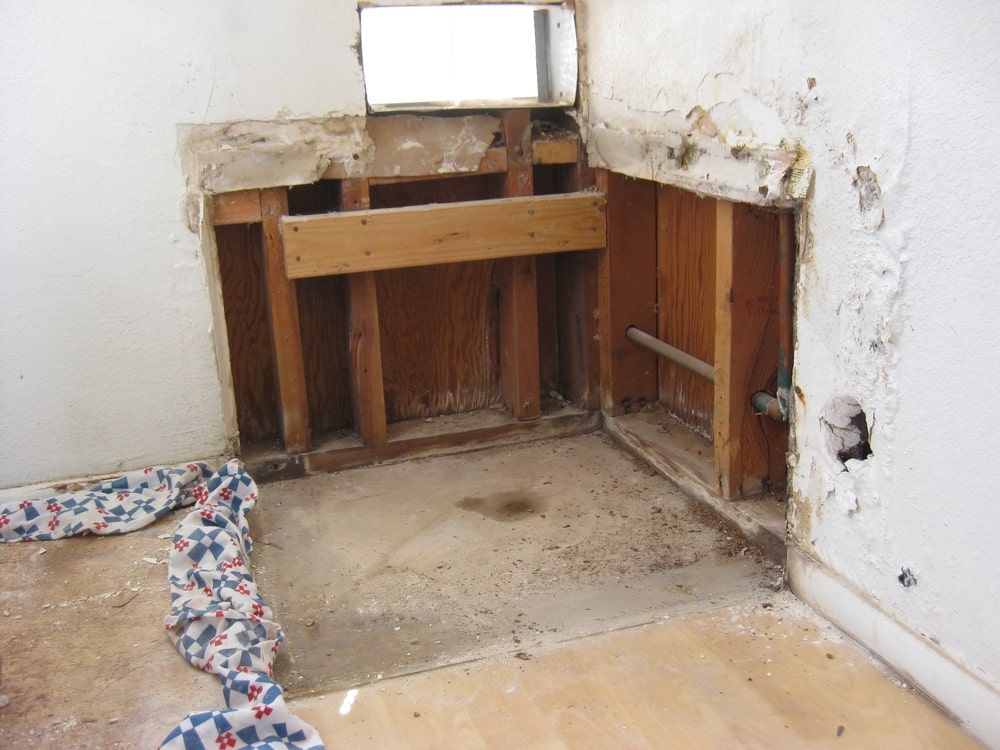
Non-porous surfaces can often be cleaned and left in place. Porous drywall or fiberboard that’s visibly impacted usually needs removal. Framing may be mechanically cleaned and dried to target moisture levels before closing. Keep demo surgical; only open what testing and meter readings justify. Tight scoping keeps tenants’ lives moving and helps budgets align with Mold Remediation Connecticut expectations.
PRV and Re-Occupancy
For significant work, include post-remediation verification. A visual check plus targeted air or surface samples confirms the area meets clearance goals. Share the summary with tenants and, if applicable, with your insurer. PRV turns a “we think it’s fine” moment into documented confidence—a strong finish line in Mold Remediation Connecticut for rental housing.
Cost Control Without Cutting Corners
Bundle tasks while the area is open: add attic baffles, air seal the hatch, or reroute a bath fan that currently dumps into the soffit. Replace soaked carpet pad with moisture-tolerant underlayment where appropriate. Install auto-drain dehumidifiers in chronic basements. These small upgrades reduce recurring calls and keep Mold Remediation Connecticut spend focused on fixes that last.
Tenant Education That Actually Works
A one-page welcome sheet goes a long way: how to run bath fans (20 minutes after showers), what RH to aim for on in-unit sensors, who to text for leaks, and why cardboard on basement slabs is a bad idea. Offer inexpensive, app-connected hygrometers at move-in. When tenants can see humidity rising, you get earlier pings and fewer escalations to Mold Remediation Connecticut.
Seasonal Playbook for the Shore
- Spring: Gutter cleaning, downspout extensions (6–10 ft), window well checks
- Summer: Dehumidifier service, verify that every bath/kitchen fan exhausts outdoors
- Fall: Air seal attic penetrations, check soffit intake and ridge exhaust
- Winter: Watch for window condensation, set fans on timers, inspect for ice dams
Routine beats rescue, especially near the water—and it lowers total Mold Remediation Connecticut costs across your portfolio.
Red Flags to Avoid
“Fog only” proposals for porous drywall, scopes with zero containment, or plans that ignore obvious moisture sources are warning signs. Also, be cautious of one-size-fits-all testing that doesn’t map to decisions. Solid Mold Remediation Connecticut vendors explain what they’ll clean, what they’ll remove, how they’ll control air, and how they’ll prove success.
Your Next Step
Put the SOP in writing, share it with tenants and vendors, and run it every time. Consistency is your superpower.
Internal link: Nor’easter season coming? Read our 24–72 Hour Action Plan for Niantic & East Lyme to stabilize units after storm water or power outages.
Service page): Need a vendor who follows your process—not the other way around? Request Mold Remediation Connecticut with PureOne Services for clear scopes, fast response, and PRV-backed closeouts.