


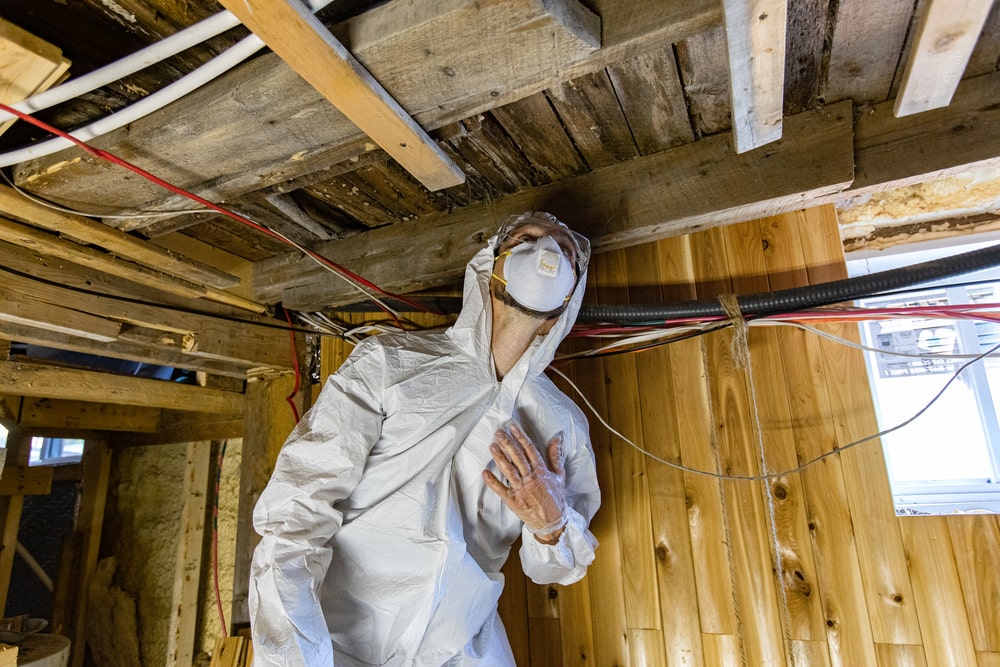
You’ve noticed a musty odor, a few suspicious spots, or recurring allergies. Now you want clarity before tearing into walls or buying gadgets you don’t need. Professional testing and inspection translate “something’s wrong” into a clear plan. This guide covers when testing is useful, what inspectors actually do, and how the results inform Mold Removal Connecticut decisions without drama or guesswork.
When Testing Is Worth It (and When It Isn’t)
Testing adds value when you have health concerns, a real estate transaction, insurance questions, or widespread/hidden contamination. If the mold is small, visible, and the moisture source is obvious, some homeowners skip lab work and direct funds toward remediation. The key is choosing the path that leads to a durable fix and supports the documentation often required for Mold Removal Connecticut projects.
What Inspectors Look For First
Good inspectors don’t start with swabs—they start with a walkthrough and moisture detective work. Expect questions about roof leaks, drainage, past floods, and recent renovations. They’ll scan with moisture meters and thermal cameras, check RH and temperature, and look for ventilation or grading issues. This “building science” step is the backbone of Mold Removal Connecticut because it links the growth you see to the water you must control.
Common Sampling Methods Explained
Air sampling compares indoor to outdoor spore profiles, helping determine if growth is elevated in key areas. Surface sampling clarifies what’s growing on materials and whether cleaning or removal is appropriate. Cavity sampling pulls air from behind walls when hidden damage is suspected. Your inspector should explain why each sample is collected and how it will guide Mold Removal Connecticut scope, not just fill a quota.
During the Appointment: What to Expect
You’ll see careful setup, chain-of-custody labeling, and notes tied to photos and room names. Windows typically stay shut; HVAC settings are noted for context. If a bath fan vents into the attic or a downspout floods the foundation, it will be documented. This practical detail is what turns a lab report into an actionable Mold Removal Connecticut plan you can understand and approve.
Interpreting Results Without Panic
Lab reports can be dense. Ask your inspector to summarize in plain language: What’s above normal? Where is the likely source? What materials are impacted? What are the recommended next steps? Results should map to a step-by-step remediation scope and moisture correction checklist. Clear interpretation keeps Mold Removal Connecticut focused on solving causes, not chasing symptoms.
PRV: Post-Remediation Verification
PRV confirms the job was done right—containment held, cleaning was effective, and airborne levels meet targets. It typically includes visual inspection plus air or surface sampling in the treated areas. For buyers, sellers, landlords, and health-sensitive families, PRV is the peace-of-mind finish line that closes the loop on Mold Removal Connecticut with objective evidence.
Avoiding Common Testing Pitfalls
Beware of “test only” visits that ignore moisture mapping or ventilation issues; that approach leads to repeat work. Avoid reports with no practical recommendations. And be cautious about one-size-fits-all sampling counts. The right number and type of samples depend on your home and goals, which is why tailored scoping is standard in quality Mold Removal Connecticut assessments.
Timelines, Deliverables, and Costs
Most inspections take 1–3 hours, with lab results back in 24–72 hours, depending on service level. A good deliverable includes photos, meter readings, a floor-by-floor narrative, and a remediation outline prioritized by urgency. You should know exactly how the findings shape containment, cleaning methods, and moisture fixes. This transparency sets up a clean handoff into Mold Removal Connecticut without surprises.
DIY vs. Pro: What’s Realistic?
Consumer kits may flag a problem, but they can’t interpret building dynamics or design a safe cleanup sequence. If you’re dealing with potential wall-cavity growth, attic sheathing stains, or a basement with chronic humidity, bring in help. Pros pair diagnostics with a practical path forward, cutting the risk of cross-contamination and speeding a successful Mold Removal Connecticut outcome.
Your Next Step
If you’re ready to move from uncertainty to answers, schedule an inspection with PureOne Services. We’ll map moisture, sample only where it’s useful, and convert findings into a clear plan you can trust. For fast help, request Mold Removal Connecticut through our service page and get timelines, scope, and pricing aligned with your home.
Internal link: Want to budget confidently? Read our guide to real-world cost factors and estimates for remediation in Connecticut—what drives price and how to avoid paying twice.
Service page: Get clarity now—request Mold Removal Connecticut with PureOne Services.