

Finding out that a space may be connected to fentanyl can be overwhelming. Most people are not just worried about the mess; they are worried about what they cannot see, and what might still be on surfaces. In Minneapolis, MN, the safest approach is to treat the area like a serious hazard until a professional assessment and testing confirm otherwise.
Why fentanyl changes the risk conversation
When people search for fentanyl cleanup in Minneapolis, they usually want one clear answer: how to make the property safe again without guessing. The concern is that small amounts can be dangerous if disturbed, especially if powders become airborne or transfer onto hands, clothing, tools, or high-touch surfaces.
This is also why fentanyl situations can overlap with meth lab cleanup conversations. Drug lab contamination in Minneapolis cases may involve multiple substances, and the plan should assume unknowns until the scope is defined. Even when the original concern is opioids, methamphetamine residue removal may still be part of the real solution if the property history suggests prior drug activity.
What not to do in the first hour
Your first goal is to avoid spreading contamination.
Avoid these common mistakes:
- Do not sweep, vacuum, or use a shop vac.
- Do not run fans to “air it out.”
- Do not shake clothing, bedding, or rugs.
- Do not move clutter from room to room.
- Do not turn on the HVAC if the suspected area is nearby.
- Do not try DIY chemicals or “neutralizers.”
Those actions can push residue into clean places, which makes fentanyl cleanup in Minneapolis harder, and can also expand the scope of meth lab cleanup if other residues are present.
What to do instead: isolate, document, and reduce exposure
In Minneapolis, MN, a safer first response is simple and calm.
Start here:
- Keep people and pets out of the area.
- Close doors, limit foot traffic, and avoid unnecessary movement.
- If you see powder, staining, or suspicious materials, do not touch them.
- Take photos from a distance for records, then step away.
These steps support a safer assessment later and help prevent cross-contamination across the property.
How professionals approach fentanyl cleanup in Minneapolis
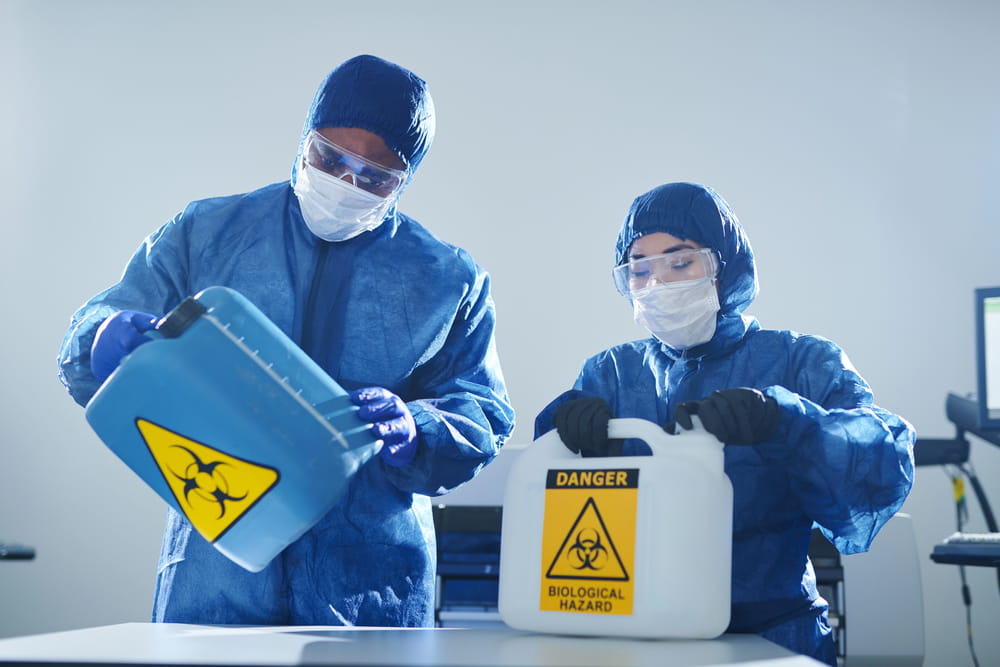
A qualified team will typically treat fentanyl cleanup in Minneapolis as a controlled hazard response. You may hear terms like containment, negative air, and PPE, but the goal is straightforward: keep contaminants from spreading, protect workers and occupants, and verify the outcome.
A professional plan often includes:
- A site assessment and written scope
- Containment setup to prevent cross-contamination
- Safe removal of impacted porous materials when needed
- Detailed surface cleaning using repeatable methods
- Post-work testing and documentation
If there are indicators of broader drug activity, the project may expand into meth lab decontamination Minneapolis-style work, especially when surfaces and materials show signs consistent with drug lab contamination in Minneapolis.
Where residue can hide
A space can look normal and still pose a risk. Residue often shows up along the same pathways people touch every day.
Common areas professionals focus on:
- Door handles, switches, remotes, and railings
- Counter edges, cabinet pulls, and drawer faces
- Bathroom fixtures, laundry areas, and floor transitions
- Entryways, baseboards, and stair rails
- Vehicle interiors, if items were transported
These areas matter because exposure risk often comes from contact and transfer, not just what you see on the floor. That is also why meth lab cleanup plans pay extra attention to high touch points, and why methamphetamine residue removal is treated as a process, not a single wipe down.
Testing and clearance: the part that brings real peace of mind
People often ask, “How do I know it’s safe?” Smell is not a reliable indicator, and appearance is not proof. The finish line is verification.
A reputable provider will explain what testing is appropriate for your situation, and how clearance will be documented after fentanyl cleanup in Minneapolis work is complete. This is especially important for landlords, property managers, and buyers in Minneapolis, MN, who need records that show the issue was handled professionally.
If you are searching for a certified meth lab cleanup company in Minneapolis, ask how they coordinate testing, what samples are taken, and what documentation you will receive once the job passes clearance.
What affects cost and timeline
Every site is different, but a few factors typically drive the numbers:
- Size of the impacted area and the level of contamination
- Whether porous materials must be removed
- HVAC involvement and potential spread
- Testing requirements and retesting if needed
- Coordination with insurance, property management, or tenant timelines
When fentanyl is part of the picture, the priority is safety and control. In many cases, a careful plan is faster than a rushed attempt that fails clearance testing and has to be repeated.
Talk to PureOne Services for a safety-first plan
If you are facing suspected fentanyl exposure and want a documented path forward, PureOne Services can help you take the next step without guesswork. Many property owners in Minneapolis, MN, start by contacting PureOne Services for meth lab cleanup Minneapolis, because fentanyl concerns often appear alongside broader meth lab cleanup needs, and one coordinated plan reduces risk and confusion.
Now next to read: Meth Lab Cleanup in Minneapolis, MN: A Step-by-Step Guide for Homeowners.